Live Dental Webinars
(Showing Next 5 Upcoming)
|
 Digital Implant Surgery: How 3D Printing changes the Guided Surgery Workflow Digital Implant Surgery: How 3D Printing changes the Guided Surgery Workflow
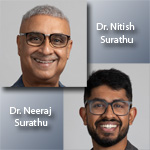
Presenter: Dr. Nitish Surathu and Dr. Neeraj Surathu
Sponsor: Rapid Shape
| Tue |
10/27/26 |
7:00 PM ET
4:00 PM PT
|
| Tue |
10/27/26 |
11:00 PM UTC
|
|
CE Credits: 1 Interactive CEU
|
|
This CE webinar explores how 3D printing is transforming the digital workflow for guided implant surgery, from treatment planning through surgical guide fabrication and implant placement. Participants will learn how to integrate CBCT and intraoral scan data, evaluate implant planning software, and develop predictable treatment plans using digital technology. The webinar will also cover the design, 3D printing, and post-processing of surgical guides and restorations, with a focus on applying guided surgery protocols to improve implant accuracy, efficiency, and patient outcomes.

|
From Inspection to Resolution 2026: Real Cases of How Dental Practices Navigated OSHA Investigations
Presenter: Dr. Karson Carpenter
Sponsor: Compliance Training Partners
| Wed |
10/28/26 |
7:00 PM ET
4:00 PM PT
|
| Wed |
10/28/26 |
11:00 PM UTC
|
|
CE Credits: 1 Interactive CEU
|
|
In this one-hour CE webinar, Dr. Karson Carpenter, president of Compliance Training Partners, will review actual OSHA inspection cases that he and his technical team have been involved with in the last 12 months. The webinar will show actual citations and how the inspection progressed from notification of inspection to onsite visit, receipt of fine, and resolution.
|
Digital Workflows for Predictable Adult Orthodontic-Restorative Treatment Implementing a Digital Ecosystem
Presenter: Dr. Melissa Shotell
Sponsor: ClearCorrect
| Thu |
10/29/26 |
7:00 PM ET
4:00 PM PT
|
| Thu |
10/29/26 |
11:00 PM UTC
|
|
CE Credits: 1 Interactive CEU
|
|
Adult patients are the largest growing population seeking orthodontic treatment. Many adult patients seek clear aligners as an esthetic alternative to traditional bracket and wire treatment. Yet many adult patients present with complex restorative treatment needs that can be complimented by orthodontic treatment for improved clinical outcomes with interdisciplinary treatment plans. Adult patients require a different patient experience and seek convenient and efficient treatment. The course will cover the basics of aligner design, materials, and mechanical advantages to understand the importance of product selection in complex adult treatment plans. The CE webinar will also explore the digital workflow and digital ecosystem for office efficiency and optimal patient experience. After the webinar, the attendee should be able to evaluate and select an aligner system for complex interdisciplinary cases, and evaluate how to implement a digital workflow for enhanced treatment planning and patient experience.

|
Smarter Smile Design: Align, Whiten, and Restore
Presenter: Dr. Nicholas Garcia
Sponsor: uLab Systems
| Mon |
11/2/26 |
7:00 PM ET
4:00 PM PT
|
| Tue |
11/3/26 |
0:00 AM UTC
|
|
CE Credits: 1 Interactive CEU
|
|
In this CE webinar, join Dr. Nicholas Garcia for a practical discussion on integrating clear aligners into everyday esthetic dentistry - particularly for patients considering whitening, veneers, or other cosmetic improvements. Using a scan-first approach, Dr. Garcia will demonstrate how he evaluates tooth position, spacing, and occlusion before developing a treatment plan. Attendees will learn how to determine when to align, when to restore, and when combining treatments may create a more conservative and predictable path to the desired esthetic outcome. The webinar will provide a straightforward framework for recognizing anterior esthetic aligner opportunities, sequencing complementary services, and confidently presenting comprehensive treatment options to patients.
|
Oral Cancer Screening: It’s More Than Grasping the Tongue
Presenter: Susan Cotten, BSDH, RDH, OMT
Sponsor: VOCO America
| Tue |
11/3/26 |
7:00 PM ET
4:00 PM PT
|
| Wed |
11/4/26 |
0:00 AM UTC
|
|
CE Credits: 1 Interactive CEU
|
|
Both dental hygienists and dentists play an important role in the early detection of oral cancer, yet there is a critical gap in screening protocols. After performing an oral cancer screening, patients often say, "No one has ever done that before." This CE webinar breaks down the components of a comprehensive visual and tactile, extraoral, and intraoral evaluation, and the signs and symptoms associated with oral and oropharyngeal cancer as an important component in screening. Using Susan’s instructional screening videos and case presentations, attendees will learn proper extraoral palpation, the importance of identifying lymphadenopathy, evaluation of the thyroid gland, and the oropharynx. ADA and ADHA oral cancer policies and coding will be reviewed.
A comprehensive oral cancer screening isn’t optional. Let’s close the gap together, elevate the standard of care in screening, calibrate dental professionals nationwide, and increase early detection. Attendees will leave inspired and with a renewed commitment to performing this life-saving evaluation – every patient, every visit.
Featured On-Demand CE Webinars
Staying Alive: Bioactive Advances in Pulp Therapy highlights modern, evidence-based strategies for preserving pulp vitality. This CE webinar explores how bioactive materials support healing and regeneration of the dentin–pulp complex, with practical insight into indications, techniques, and material selection for vital pulp therapy. Designed for all clinicians, it connects science to everyday clinical decision-making.
There are some dentists who boldly (or quietly) love and respect a different material, but for all the rest, who say, “Yeah, but…” there must be another way. Imagine a clinical day without recurrent decay…there is a way! At the end of this CE webinar, participants should be able to:
• Contrast ormocers from composites and glass ionomers
• Defend the evidence for sealants
• Witness caries lesion arrest
Take your patient care to the next level by incorporating materials that do more than just ‘fill’ or ‘seal’ teeth. Hydrophilic, bulk-fill, biomimetic, desensitizing, remineralizing. The chemical and physical properties of glass ionomer restoratives make them an ideal dental material choice. For clinicians that are either new to glass restoratives or looking to expand their use of these materials, the wide array of products can sometimes create confusion. Dr. MacLean will use case studies to demonstrate how she utilizes different materials to achieve clinical success. Learn how glass ionomer cement sealants can do more than just provide a physical barrier from plaque on pits and fissures, they are hydrophilic, can be placed on partially erupted molars, and act as a fluoride reservoir that helps to prevent caries and enhance remineralization. Glass hybrid restoratives help to reduce post-op sensitivity, reduce recurrent caries, improve outcomes, and have enhanced physical properties for long-lasting durability and esthetics. Dental materials are evolving and so should you!
Featured Podcast Episodes
 Series: VOCO America
CE Credits: 0.5
Series: VOCO America
CE Credits: 0.5
Guest: Linda Chandler-Jacobs, BS, RDH
|
In today’s episode, we’re addressing an often-overlooked topic in dentistry—managing dental patients with Sickle Cell Disease and Sickle Cell Trait. These patients face unique challenges, and unfortunately, many are turned away from dental practices simply because their condition isn’t well understood. Our guest, Linda Chandler, RDH, s a graduate of the University of Texas School of Dental Hygiene, past President of the Southeast National Dental Hygiene Association, author, educator and voted top hygienist of the year 2012.
Series: VOCO America
CE Credits: 0.5
Guest: Dr. Susan McMahon
|
In today’s episode, we’re sitting down with Dr. Susan McMahon to talk about a piece of technology that’s truly changed the way she practices dentistry—the 3D printer. From printing precise dental models to fabricating occlusal guards with ease, we’ll dive into how this powerful tool is streamlining everyday tasks and bringing new levels of efficiency and accuracy to the dental office.
 Series: Bisco
CE Credits: 0.5
Series: Bisco
CE Credits: 0.5
Guest: Dr. Sheila Samaddar
|
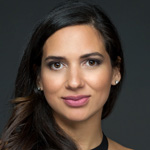
Dr. Sheila Samaddar, a GP, shares how aligners have been a huge benefit to her practice, but she’s also candid about the challenges. She walks us through the key things every GP should know before diving into clear aligner therapy, plus some of her favorite products and tools that help her get the best results. Dr. Samaddar is internationally recognized and published by Invisalign for Top Case results annually for the last several years, as well as having a Top 10 case with the American Academy of Clear Aligners.










 Staying Alive: Bioactive Advances in Pulp Therapy